
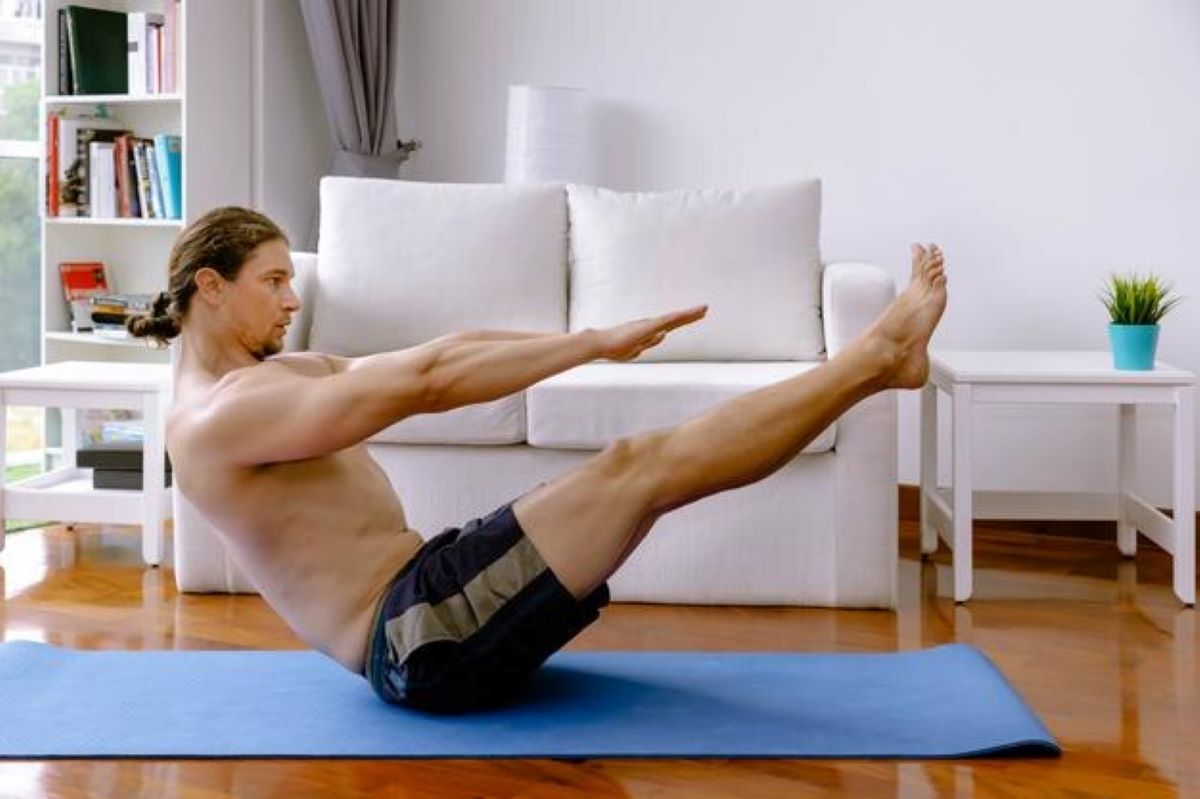
Is Online Fitness Coaching Effective for Australians? 2026 Data
Is Online Fitness Coaching Effective for Australians? What the Data Shows
In 2026, the question is no longer whether you can train digitally, but rather: Is online fitness coaching effective for Australians compared to traditional methods? With the Australian digital fitness market projected to reach over $430 million by 2033, a massive shift in consumer behavior is underway.
The rise of the “Health Architect” model—where coaches manage everything from your sleep to your deadlift via a smartphone—has replaced the local “rep-counter.” But does removing the physical presence of a trainer diminish your results?
This data-driven report analyzes the latest research, local industry trends, and psychological evidence to determine if virtual coaching truly delivers on its promises for the Australian lifestyle.
Defining the Effectiveness of Online Coaching
To determine if a program is “effective,” we must look beyond a simple “before and after” photo. In a professional context, effectiveness is measured by adherence (how often you stick to the plan), progression (measurable increases in strength or cardiovascular health), and retention (how long you maintain those results).
The Data Behind Digital Adherence
Recent industry reports from 2024 and 2025 indicate a significant shift in how Australians interact with fitness. According to AUSactive, approximately 62% of Australians now utilize a “hybrid” or purely online training model.
Data from top-tier coaching platforms suggests that users of professional online coaching programs experience:
- 71% higher adherence rates when programs include AI-driven reminders and human accountability.
- 95% goal achievement rates when regular weekly check-ins are integrated into the service.
- 42% higher success rates in long-term weight maintenance compared to solo gym-goers.
Why Online Coaching Works: The Evidence-Based “Why”
The effectiveness of online fitness coaching in Australia isn’t magic; it’s a result of increased “touchpoints.” While an in-person trainer sees you for one hour, an online coach has a window into your entire day via wearable integration.
1. The Power of “24/7” Accountability
A study published in the Journal of Sports Science & Medicine highlights that online coaching models are equally effective as face-to-face training when they include frequent communication.
“The psychological barrier to exercise is often not the workout itself, but the lack of support between sessions. Digital coaching bridges this gap with real-time messaging.”
2. Elimination of the “Commute Friction”
Data from the Australian Sports Commission consistently shows that “lack of time” is the #1 reason Australians quit the gym. By removing the need to travel to a physical facility at a specific time, online coaching significantly lowers the barrier to entry, leading to higher consistency over a 12-month period.
Benefits and Outcomes: Virtual vs. In-Person
| Metric | Traditional In-Person PT | Online Fitness Coaching (2026) |
| Cost (Avg. Australia) | $80 – $150 per hour | $50 – $125 per week (Unlimited access) |
| Scheduling | Rigid (Fixed appointments) | 100% Flexible |
| Data Tracking | Often manual or subjective | Automated (Wearable/App sync) |
| Nutrition Support | Usually surface-level | Deep integration (Macros/Habits) |
| Form Analysis | Real-time / Physical | Asynchronous Video Review |
Real-World Use Cases: Where Online Coaching Shines
Case A: The Busy Corporate Professional (Sydney/Melbourne)
For high-performers working in CBD hubs, schedules are erratic. Online coaching allows them to train at 5:00 AM or 9:00 PM without needing to coordinate with a trainer’s opening hours. The data shows this demographic has the highest retention rates in digital programs.
Case B: Rural and Regional Australians
Historically, residents in regional WA or Queensland lacked access to elite-level strength or metabolic specialists. Online coaching has “leveled the playing field,” allowing a farmer in Wagga Wagga to be coached by an Olympic-level strength coach in Brisbane.
Case C: Post-Natal and Home Fitness
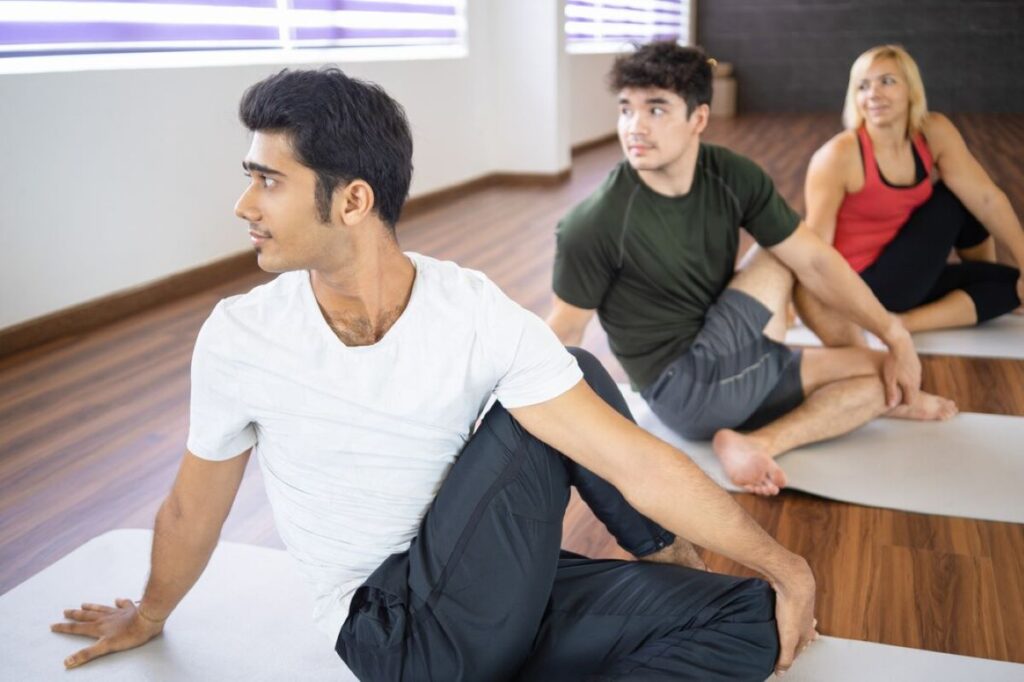
New mothers often find the gym environment intimidating or logistically impossible. Home workout coaching in Australia provides a “safe space” with professional oversight, leading to a 30% increase in post-natal exercise participation since 2023.
The Step-by-Step Effectiveness Framework
For online fitness coaching for Australians to be effective, it must follow a structured scientific process:
- Biometric Onboarding: Syncing your Apple Watch, Garmin, or MyFitnessPal to create a baseline.
- The “Gap Analysis”: Identifying where your current habits (sleep, steps, protein) differ from your goal requirements.
- Adaptive Programming: Receiving a plan that updates based on your “Readiness Score”—if you slept poorly, the coach (or the AI integration) reduces your training load.
- The Video Feedback Loop: Uploading 10-second clips of your lifts for frame-by-frame critique.
- Weekly Deep-Dive: A video or audio review of the week’s data to prepare for the next block.
Common Mistakes: Why Some Online Programs Fail
Not all digital training is created equal. The data shows that “automated-only” apps have a 90% drop-off rate within 90 days. To ensure your coaching is effective, avoid these pitfalls:
- The “PDF” Trap: If a coach sends you a static document and never talks to you again, that isn’t coaching—it’s a product. True coaching is a service.
- Ignoring Local Context: Many international programs don’t account for Australian food brands or seasonal produce. Ensure your coach understands the Australian market.
- Lack of Form Review: If you aren’t sending videos of your movements, you are guessing. Guessing leads to plateauing and injury.
FAQ: Is Online Fitness Coaching Effective for Australians?
Is online coaching as effective as having a trainer stand next to me?
For most people, yes. While you lose the physical “spot,” you gain much higher levels of nutritional and lifestyle accountability, which are the primary drivers of body composition changes.
Can I really lose weight with a virtual coach?
Absolutely. Research shows that clients using digital coaching with AI-supported nutritional tools lose an average of 3.5 to 5.0 kg more over six months than those following a standard gym plan.
What equipment do I need?
The effectiveness of the program depends on the coach’s ability to program for what you have. Whether you have a full garage gym or just two resistance bands, a professional coach will adapt the stimulus to your environment.
How do I know if my coach is qualified?
Always verify their credentials. In Australia, look for a minimum Certificate IV in Fitness and registration with AUSactive.
Is it safe for beginners?
Yes, provided the coach requires video check-ins. A good coach will start with “foundational movement patterns” (hinge, squat, push, pull) before adding significant weight.
Conclusion: The Verdict on Digital Results
The data is clear: Is online fitness coaching effective for Australians? The answer is a resounding yes, provided the human element of accountability remains central to the experience. By leveraging 2026 technology—wearables, AI-driven programming, and video analysis—Australians are achieving results that often surpass traditional in-person training due to the superior lifestyle integration.
If you value flexibility, data-driven decisions, and expert specialization over the “physical presence” of a trainer, online coaching is the most effective tool available in the modern fitness market.